






-
France announces national plan to fight Asian hornets - how it will work
The plan will use different measures depending on hornet numbers
-
Best places to retire to in France ranked in new study
Property prices, healthcare and life expectancy are some of the criteria featured in the ranking
-
Close to 600,000 sign up for Papal mass in Paris next weekend
First official Papal visit to France since 2008 will see Pope visit three cities
France to take action against Asian hornets and other invasive insects
A new 10-year plan will prioritise combating the spread of problematic species so as to protect native biodiversity and prevent disease
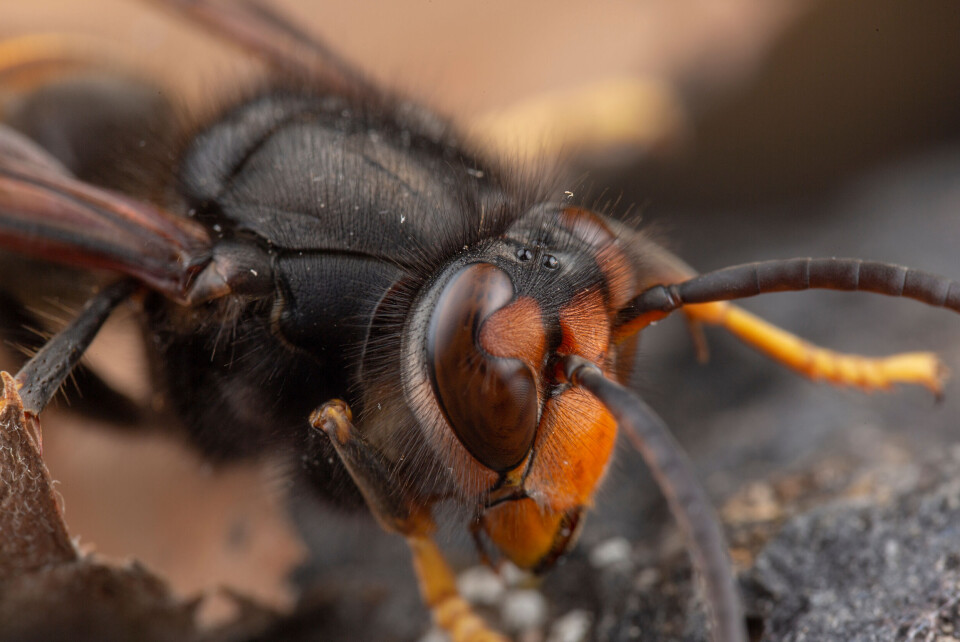
France has launched a plan to combat the threat to biodiversity caused by invasive insects, animals and plants which have been brought in by human activity and which are difficult to eradicate once present.
The aim is to stop them threatening native species and leading to diseases.
Examples include the Asian hornet (frelon asiatique), which has become more prevalent and problematic across France in recent years.
There were also sightings of the Oriental hornet (different to the Asian hornet) for the first time in France recently.
Read more:Bee-eating oriental hornet discovered in Marseille, a first in France
Biodiversity minister Bérangère Abba this week (March 15) presented a national plan to combat these insects for the period 2022-2030, via an ecology ministry statement.
The plan is set to focus on “prevention and early action”, it said, by raising awareness of invasive species, increasing checks on incoming goods, and improving best practices on how to prevent these species from proliferating, including “the proper application of legal and regulatory rules”.
It said: “In France, this threat is particularly strong on islands, and in overseas territories,” and has been made worse by climate change.
It comes as a 2019 report from the United Nations on biodiversity classed invasive insects as one of the five most destructive forces against nature, just behind poor ground use, exploitation of resources, climate change and pollution.
The ministry is set to allocate €1.5million in the plan’s first year, to help finance a framework to combat the spread of problematic species.
A decree will be established for consultations "on restrictions on the trade, possession and transport of species such as the blue crab, crassula helmsii, the quagga mussel and the Asian hornet", it said.
Related articles
French scientists fight Asian hornet ‘in own language’
‘Sex traps’ can control Asian hornets, new French-Chinese study shows


